
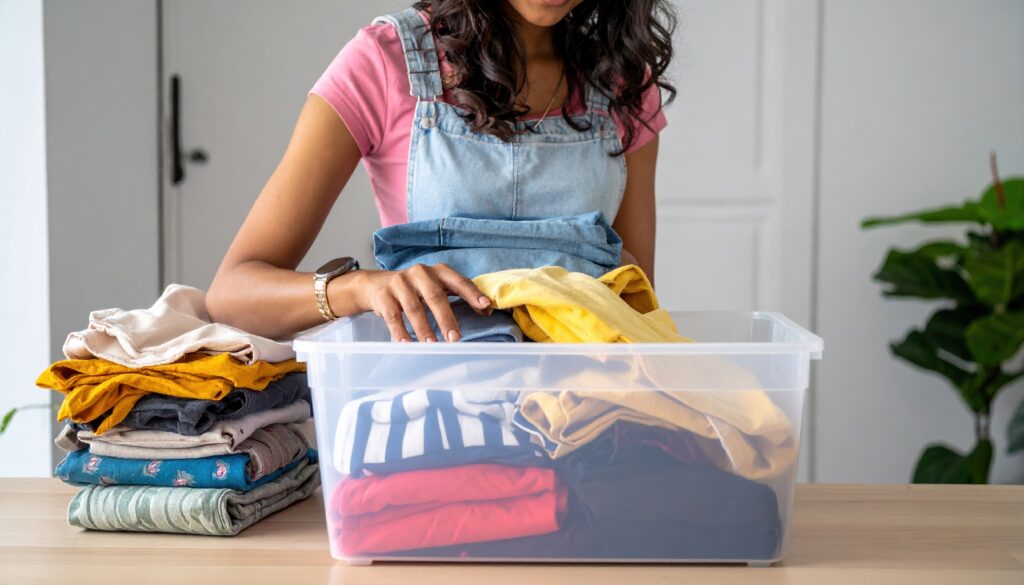
From Summer to Storage: How to Put Away Warm-Weather Clothing the Right Way
September creates an interesting moment in your closet.
Sweaters and jackets begin moving forward.
Shorts and sundresses move toward the back.
Lightweight summer suits are worn less often. Linen shirts gradually disappear from the weekly rotation. Vacation clothes, summer dresses, and warm-weather special-occasion pieces may not be needed again for months.
But before you close the storage bin or move those garments into the guest-room closet, there’s one important question to ask: Are they actually ready to be stored?
One of the easiest ways to shorten the life of clothing is to put it away dirty—even when it looks clean.
Perspiration, sunscreen, body oils, food, beverages, fragrance, and other residues can remain in fabric without creating an obvious stain. Given several months in storage, those residues can discolor fibers, produce odors, and make stains more difficult to treat.
At A.W. Cleaners, we’ve helped customers care for seasonal wardrobes for more than 40 years. A thoughtful end-of-summer routine can help your favorite warm-weather pieces emerge next spring looking much more like the clothing you remember.
The Golden Rule: Clean First, Store Second
It’s tempting to look at a garment you’ve worn once and think: It still looks clean. I’ll just put it away.
That decision can create an unpleasant surprise months later.
Some of the substances summer clothing encounters aren’t immediately visible.
Think about a typical August day.
Your clothing may be exposed to:
- Perspiration
- Deodorant
- Sunscreen
- Body lotion
- Fragrance
- Makeup
- Food oils
- Sugary beverages
- Outdoor pollutants
- Dust
Even when you can’t see them, residues can remain in the fibers.
Professional cleaning before long-term storage helps remove those contaminants rather than giving them months to interact with the fabric.
Why Old Stains Seem to “Appear” in Storage
Have you ever pulled a shirt or dress out of storage and discovered a yellow or brown spot you don’t remember seeing?
The stain may not actually be new.
Certain spills can dry nearly clear. Over time, remaining residue can oxidize and darken.
That’s one reason stains from beverages, food, perspiration, or other substances sometimes appear much more noticeable after several months.
The longer a stain remains untreated, the more difficult removal may become.
Cleaning before storage gives you the opportunity to address problems while they’re still relatively fresh.
Pay Special Attention to Linen
Few fabrics say summer quite like linen.
Linen shirts.
Linen dresses.
Linen trousers.
Lightweight jackets.
Summer suits.
Table linens used for outdoor entertaining.
Linen is valued for its breathability and distinctive texture, but garments should still be cared for according to their individual labels and construction.
Before storage:
-Inspect the garment carefully.
-Check collars and cuffs for body oils.
-Look for food and beverage stains.
-Make sure the item is completely clean and dry.
Then store it in a clean, dry environment where the fabric isn’t unnecessarily compressed.
Summer Dresses Deserve a Final Inspection
Summer dresses encounter almost everything the season has to offer.
Outdoor weddings.
Graduations.
Vacations.
Brunches.
Barbecues.
Garden parties.
Date nights.
That can mean exposure to grass, makeup, sunscreen, food, perspiration, and beverages.
Before storing a dress, inspect areas where staining is easily missed:
- Necklines
- Underarms
- Hems
- Waistbands
- Linings
- Straps
- Cuffs
If the garment contains silk, lace, embroidery, beading, or specialty trim, follow its care instructions and consider professional evaluation rather than experimenting with stain treatments at home.
Don’t Forget Summer Business Attire
Seasonal storage isn’t only about casual clothing.
Professionals may rotate lightweight suits, sport coats, dresses, trousers, and other warm-weather business pieces out of regular use as autumn begins.
These garments may have accumulated months of:
- Perspiration
- Body oils
- Deodorant residue
- Makeup
- Food stains
- Everyday environmental soil
Having them cleaned before storage helps preserve them for next year’s warm-weather professional calendar.
And when spring returns, you won’t have to begin the season by cleaning an entire wardrobe at once.
What About Clothes You’ve Barely Worn?
The answer depends on the garment and how it was used.
A piece that was tried on briefly and returned to the closet isn’t the same as a dress worn for six hours at an outdoor wedding.
Rather than assuming every item needs identical treatment, consider:
Was it worn directly against the skin?
Was it exposed to food or beverages?
Was it worn outdoors?
Was sunscreen, lotion, fragrance, or makeup involved?
Does it have a stain—even a very faint one?
What does the care label recommend?
When in doubt, professional evaluation can help determine an appropriate approach.
Choose the Right Storage Location
Once garments are clean, where you store them matters.
The ideal environment is:
- Clean
- Cool
- Dry
- Dark or protected from prolonged direct sunlight
- Relatively stable in temperature
Areas prone to high humidity, moisture, or extreme temperature changes are generally less desirable for valuable clothing.
That makes certain basements, garages, and attics poor choices for long-term garment storage.
Don’t Trap Moisture with Your Clothes
Clothing should be completely dry before long-term storage.
Moisture trapped in a closed environment can contribute to:
- Musty odors
- Mildew
- Fabric deterioration
- Discoloration
Breathability matters, particularly for natural fibers.
For garments requiring hanging storage, breathable garment covers may be preferable to leaving clothing sealed in non-breathable plastic for extended periods.
Fold or Hang?
It depends on the garment.
Structured pieces such as some suits, jackets, and dresses often benefit from appropriate supportive hangers.
Knits and garments that can stretch under their own weight may be better folded.
Whichever method you choose, avoid:
- Wire hangers that distort shoulders
- Overcrowded closet rods
- Crushing delicate fabrics
- Heavy items stacked on fragile garments
- Sharp folds in highly delicate materials
Good storage should support the garment rather than stress it.
Take Five Minutes to Make Next Spring Easier
Seasonal wardrobe transitions offer a perfect opportunity to edit what you own.
As you put summer clothing away, create four categories:
Keep: You wear it, love it, and expect to use it next year.
Clean/Repair: It stays in your wardrobe but needs attention first.
Donate: It’s in good condition but no longer fits your needs.
Retire: It’s too damaged or worn to justify keeping.
This small exercise prevents you from using valuable storage space for clothing you no longer wear.
It also gives you a clearer picture of what you actually own before next summer’s shopping begins.
Check for Repairs Now, Not Next May
A missing button doesn’t become less missing over the winter.
Neither does a loose hem.
Before storing garments, look for:
- Missing buttons
- Loose seams
- Damaged zippers
- Fraying
- Small tears
- Loose hems
- Damaged linings
Taking care of minor repairs now means garments can return to your closet next season ready to wear.
Shoes, Accessories, and Specialty Pieces Need Attention, Too
A seasonal wardrobe includes more than clothing.
As you transition to fall, inspect summer accessories such as:
- Fabric handbags
- Scarves
- Lightweight wraps
- Specialty hats
- Fabric belts
Not every accessory is appropriate for conventional dry cleaning, so professional evaluation may be necessary.
The principle remains the same: don’t allow months of storage to turn a manageable problem into permanent damage.
Don’t Forget Summer Household Textiles
September is also an ideal time to rotate seasonal household fabrics.
Consider:
- Summer-weight blankets
- Decorative pillow covers
- Tablecloths
- Cloth napkins
- Outdoor entertaining linens
- Lightweight guest bedding
Cleaning these textiles before storage means they’ll be ready when warm weather returns.
It also prevents food residue and invisible soils from sitting in fabric for months.
A Seasonal Closet Rotation Can Save You Money
Proper storage isn’t simply about organization.
It’s a form of wardrobe preservation.
When clothing is cleaned, repaired, and stored correctly, you’re less likely to discover next season that a favorite piece has been damaged beyond practical use.
That matters when replacing a quality linen dress, lightweight suit, silk blouse, or specialty garment could cost considerably more than maintaining the piece you already own.
Good garment care helps you buy less often because the clothing you love lasts longer.
Why Families Trust A.W. Cleaners
For more than 40 years, A.W. Cleaners has helped local families and professionals care for clothing through every season.
We understand that seasonal garment care isn’t only about what you’re planning to wear tomorrow.
It’s also about protecting what you want to wear next year.
From lightweight business attire and summer dresses to specialty fabrics and household textiles, thoughtful cleaning today can help protect the things you’ll be happy to rediscover when warm weather returns.
Say Goodbye to Summer the Right Way
September is a month of transition.
As sweaters replace short sleeves and jackets return to the front of the closet, give your summer wardrobe the same attention you’re giving your fall clothing.
Clean it.
Inspect it.
Repair it.
Store it properly.
Then when the first warm days return next year, your favorite summer pieces will already be waiting.
Before putting your warm-weather wardrobe away, bring your summer dresses, lightweight suits, linen garments, specialty pieces, and seasonal household textiles to A.W. Cleaners.
We’ll help you close out the season with clothing that’s clean, cared for, and ready for next year.
Frequently Asked Questions
Do I really need to clean summer clothes before storing them?
Garments that have been worn should generally be cleaned according to their care instructions before long-term storage. Perspiration, body oils, food, sunscreen, and other residue may remain even when the garment looks clean.
Why do stains sometimes appear after clothing has been stored?
Some residues initially dry clear or remain difficult to see. Over time, oxidation can make them darker and more noticeable.
What’s the best place to store seasonal clothing?
Choose a clean, cool, dry area protected from prolonged direct sunlight and excessive temperature or humidity changes.
Should I keep dry-cleaned clothes in plastic bags during long-term storage?
Plastic covers used for short-term transport aren’t necessarily ideal for extended storage. Depending on the garment, a clean, breathable garment cover may be more appropriate.
Should summer suits be cleaned before storage?
If they’ve been worn, professional cleaning before extended storage can help remove perspiration, body oils, food residue, and environmental soil that may affect fabric over time.
Can A.W. Cleaners help with stains that are already several months old?
Many older stains can often be improved or removed, but results depend on the fabric, type of stain, previous treatments, and how long the stain has been present. Professional evaluation is the best first step.